
Most homeowners ask the wrong questions when hiring a gardening service.
They ask, “How much do you charge?”
Or, “Can you start this week?”
Those questions tell you almost nothing about the quality of the company you’re about to trust with one of your property’s biggest assets. Super Green has been in the garden service space for over 15 years
After years in the garden maintenance and horticultural industry, I’ve learned that the right questions don’t just compare prices. They expose the difference between professional horticultural care and someone who simply knows how to operate a lawnmower. Are you looking for the #1 Garden Service in Centurion?
The answers you receive during a quote can save you thousands of Rands in future repairs, prevent the loss of mature trees and shrubs, and protect your property from avoidable damage.
Here are the questions I believe every homeowner should ask before hiring a gardening service.
Why Most Homeowners Ask the Wrong Questions
When I arrive to quote on a property, most conversations revolve around price.
Very few people ask about plant health.
Almost nobody asks about soil biology.
Hardly anyone asks how we prevent spreading diseases from one property to another.
Ironically, those are the questions that tell you whether you’re dealing with a true horticultural professional.
A beautiful garden doesn’t begin with a lawnmower.
It begins beneath your feet.
Questions That Show You Value Your Garden as an Investment
What Is Your Philosophy on Soil Health?
A healthy garden starts underground.
Ask how the company approaches soil improvement instead of simply asking what fertilizer they use.
A professional should discuss:
- Organic matter.
- Compost.
- Mulching.
- Soil biology.
- Long-term soil improvement.
If the only solution is throwing down synthetic fertilizer every few months, they’re treating symptoms instead of solving problems.
Read Our Latest Blog: How Do I Find a Reliable Garden Service?
How Do You Prevent Plant Diseases Moving Between Properties?
This is probably my favourite question because it immediately separates professionals from amateurs.
Ask how they disinfect pruning shears, hedge trimmers, chainsaws, and mower decks between properties.
Professional teams understand that fungal spores, bacteria, pests, and plant viruses can easily travel from one client’s garden to another.
If they look confused by the question, that’s a warning sign.
How Do You Manage Pests Before Using Chemicals?
Ask whether they follow Integrated Pest Management principles.
The best companies don’t immediately reach for chemical sprays.
Instead they investigate:
- Plant stress.
- Watering problems.
- Soil conditions.
- Beneficial insects.
- Natural control methods.
Chemicals should be the last option, not the first.
How Will My Watering Requirements Change Throughout the Year?
A good gardening service understands that irrigation changes with:
- Season.
- Rainfall.
- Soil type.
- Sun exposure.
- Plant maturity.
If someone tells you to simply leave your irrigation timer unchanged all year, they’re ignoring how plants actually grow.
How Will You Care for My Trees and Shrubs Over the Next Five Years?
Anyone can cut a hedge.
Professionals think years ahead.
Ask how they approach:
- Structural pruning.
- Future canopy development.
- Flowering cycles.
- Tree health.
- Long-term maintenance.
The answer tells you whether they understand horticulture or simply landscaping.
How Are Your Staff Trained?
Every crew member should know the difference between:
- A weed.
- An indigenous groundcover.
- A dormant perennial.
- A valuable ornamental plant.
Garden maintenance isn’t just physical labour.
It requires observation, knowledge, and judgement.
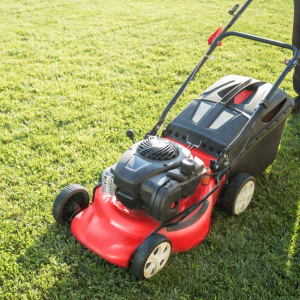
How Do You Maintain Your Equipment?
Ask how often mower blades are sharpened.
Ask how tools are serviced.
Ask how they prevent oil leaks.
Most homeowners never think about this.
Yet dull mower blades tear grass instead of cutting it cleanly, leaving brown tips that become vulnerable to disease.
Two Experiences That Changed How I Think About Hiring Garden Services
The R15,000 Hedge Disaster
A homeowner with a magnificent twenty-year-old Boxwood hedge wanted to save money after their regular gardener retired.
They chose the cheapest quote.
Unfortunately, the contractor had just worked in a diseased garden and failed to disinfect their hedge trimmers before arriving.
Within weeks, the hedge developed Boxwood Blight.
Despite emergency intervention, the infection spread too far.
The entire hedge had to be removed.
The soil required treatment before new plants could be installed.
The final cost exceeded R15,000.
All because one simple question was never asked.
“How do you sterilise your tools between properties?”
The Lawn That Didn’t Need Replacing
Another homeowner believed their lawn had died.
Two companies immediately quoted for replacing the entire lawn.
Instead of preparing a quotation, we started asking questions.
- Where does the patio downpipe discharge?
- When was the irrigation system last pressure tested?
- Has this problem appeared after heavy rain?
After inspecting the area, we discovered a leaking underground irrigation pipe slowly drowning the roots.
The lawn wasn’t dying.
It was suffocating.
Repairing the leak, improving drainage, and aerating the soil solved the problem.
The lawn recovered naturally.
That experience reinforced one lesson I still believe today.
The best gardening professionals investigate before they invoice.
The Biggest Myths About Hiring a Gardening Service
Myth 1: If the Garden Looks Neat, It Must Be Healthy
This is probably the biggest misconception I encounter.
A garden can look immaculate while quietly deteriorating underneath.
Dull mower blades.
Poor pruning.
Compacted soil.
Weak root systems.
None of those problems are visible from the driveway.
Healthy gardens are built from the soil upward.
Appearance is simply the result.
Myth 2: Garden Services Aren’t Needed During Winter
Winter is one of the most important maintenance seasons.
It’s the ideal time for:
- Structural pruning.
- Mulching.
- Soil improvement.
- Tree maintenance.
- Preparing for spring growth.
Skipping maintenance during winter usually creates far more work once spring arrives.
Myth 3: All Gardening Services Do the Same Thing
Nothing could be further from the truth.
One company cuts grass.
Another manages ecosystems.
They are completely different services.

The Seven Questions That Separate Professionals from Pretenders
1. How Do You Sterilise Your Tools Between Properties?
Professional answer:
- They explain their disinfection process.
- They use disinfectants or bleach solutions.
- They understand disease prevention.
Walk away if they say:
- “We hose them off later.”
- “We’ve never had a problem.”
2. How Often Do You Sharpen Mower Blades?
Professional answer:
- Every 10 to 15 cutting hours.
- Seasonal cutting height adjustments.
- Different settings for different turf types.
Walk away if they say:
- “Once a month.”
- “Whenever they become blunt.”
3. How Would You Diagnose Weak Plants?
Professional answer:
- Investigate first.
- Check watering.
- Assess soil.
- Identify pests.
- Treat the cause.
Walk away if they immediately recommend fertilizer without any investigation.
4. How Do You Decide When to Prune?
Professional answer:
- Species-specific timing.
- Flowering cycles.
- Correct pruning techniques.
Walk away if every shrub receives exactly the same treatment every month.
5. Who Supervises the Team?
Professional answer:
- Permanent supervisor.
- Horticultural training.
- Consistent quality control.
Walk away if the owner simply drops workers off and leaves.
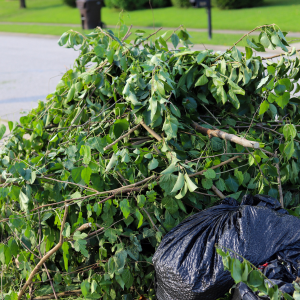
6. What Happens to My Green Waste?
Professional answer:
- Licensed disposal.
- Composting.
- Public Liability Insurance.
- COIDA compliance.
Walk away if they dump waste illegally or dismiss questions about insurance.
7. How Will You Communicate Problems?
Professional answer:
- WhatsApp updates.
- Photos.
- Digital reports.
- Ongoing recommendations.
Walk away if they rely on casual verbal conversations that are easily forgotten.
The Biggest Lesson I’ve Learned
If you remember just one sentence from this article five years from now, let it be this:
A garden is not a static product you purchase; it is a living ecosystem you cultivate, and you are hiring a doctor for your land, not a janitor for your weeds.
The biggest mistake homeowners make is treating garden maintenance like janitorial work.
They see weeds, long grass, and fallen leaves and assume they simply need someone to clean everything up.
But a garden isn’t a tiled floor.
It breathes.
It grows.
It becomes sick.
It heals.
Every decision a gardening service makes affects the long-term health of that ecosystem.
Decades in this industry have taught me something incredibly humbling.
Nature always wins.
When we try to force quick cosmetic results using dull equipment, poor pruning, or unnecessary chemicals, nature eventually sends us the bill.
The healthiest and most beautiful gardens aren’t created by working harder.
They’re created by working smarter.
Healthy soil.
Clean tools.
Species-specific care.
Thoughtful observation.
When the soil thrives, the plants thrive.
When the plants thrive, maintenance becomes easier.
When maintenance becomes easier, your costs reduce over time.
Final Thoughts
When you’re interviewing a gardening service, don’t ask how quickly they can make your property look neat.
Ask how they intend to keep it healthy.
Shift your thinking from today’s appearance to tomorrow’s resilience.
Your mature trees, established hedges, healthy lawn, and thriving flowerbeds have taken years to create.
They deserve a gardening service that sees them as living assets, not another job to finish before lunch.
“`